
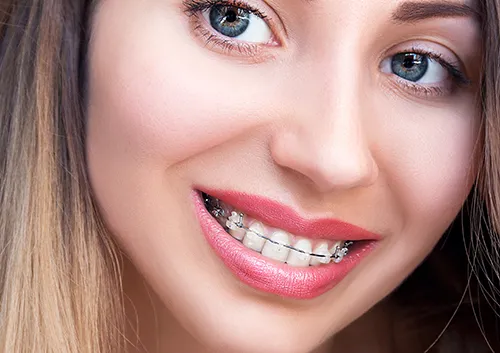
Ceramic braces work the same way metal braces do, but the brackets are clear or tooth-colored so they blend into your smile instead of standing out against it. They are the most common choice for adults and teens who want fixed braces without the metal look.
Making the decision to undergo orthodontic treatment marks the beginning of an exciting journey towards achieving the smile of your dreams. At our Granite Bay office, we are dedicated to guiding you through the process of selecting the best orthodontic solution tailored to your unique needs and lifestyle. Among our diverse range of treatments, ceramic braces stand out as a popular choice. They offer a less noticeable alternative to traditional metal braces, aligning your teeth with clear or tooth-colored brackets that blend in with your natural smile.
Traditional Braces vs. Modern Alternatives
Traditional metal brackets and wires have long been the standard in orthodontics. However, advancements in dental technology have introduced more inconspicuous options, such as lingual braces and clear aligners. Ceramic braces stand out as a particularly appealing choice for those seeking both efficacy and aesthetics in their orthodontic treatment.
The Advantages of Ceramic Braces
The Mechanics Behind the Magic
Just like their metal counterparts, ceramic braces utilize brackets that are securely bonded to the front of each tooth. These brackets work in tandem with arch wires and rubber bands to gradually guide your teeth into their ideal positions. What sets ceramic braces apart is their use of clear or tooth-colored materials, which blend seamlessly with your teeth, minimizing the visual impact of the braces.
Aesthetic Appeal and Technological Innovations
For individuals who prioritize a discreet appearance, ceramic braces offer an almost undetectable orthodontic solution. Innovations in ceramic materials and design, including self-ligating brackets and less visible arch wires, further enhance their appeal by reducing the need for noticeable rubber bands.
Ceramic Braces for Adults
Most adults who ask about ceramic braces are asking the same underlying question, which is whether they can straighten their teeth without it being obvious at work. Ceramic braces answer that better than metal does. From conversational distance the brackets read as a slight texture rather than hardware, and photos are far more forgiving.
They also handle cases that clear aligners struggle with. Aligners are removable, which means they only work while you’re wearing them, and complex rotations or significant bite corrections often move more predictably with fixed brackets. If you had braces as a teenager and your teeth have drifted since, ceramic braces are frequently the faster route back.
The tradeoff is maintenance. Adults tend to drink more coffee, tea and red wine than teens, and while the ceramic brackets themselves resist staining, the elastic ties around them do not. Those get changed at every adjustment visit, so any discoloration is temporary, but it is visible in the weeks before your next appointment.
Ceramic Braces for Teens
Teens often land on ceramic braces for the same reason adults do, which is that they would rather the braces not be the first thing people notice. That matters more during the years when it matters most.
The main thing to think through is sports. Ceramic brackets are strong but more brittle than metal, and a hit to the mouth is more likely to chip or crack one. That does not rule ceramic out for an athlete, but it does mean a mouthguard becomes non-negotiable, and it means the occasional emergency repair visit.
The other consideration is discipline around hygiene. Ceramic brackets are slightly larger than metal ones, which gives plaque more places to sit. Teens who already brush well do fine. Teens who need reminding may be better served by metal.
Key Considerations for Potential Ceramic Brace Wearers
Assessing Suitability and Performance
While ceramic braces are a popular choice for those seeking a less conspicuous orthodontic option, there are important factors to consider:
- Durability vs. Aesthetics: these braces are robust, yet more prone to chipping or cracking than metal braces.
- Lifestyle Considerations: Participants in contact sports should exercise caution, as ceramic braces may not be the best fit.
- Treatment Duration: Certain orthodontic needs may require longer treatment times than with these braces.
- Oral Hygiene Challenges: The larger bracket size and potential for staining call for diligent oral hygiene practices.
How to Care for Ceramic Braces
Keeping ceramic braces looking clear takes a bit more attention than metal, and most of it comes down to habit rather than special equipment.
- Brush after meals. Not just morning and night. Food sitting against the brackets is what discolors the elastic ties.
- Go easy on staining drinks. Coffee, tea, red wine and dark sodas all leave their mark on the ties. Rinsing with water afterward helps a lot.
- Skip whitening toothpaste. It lightens exposed enamel but not the enamel under the brackets, which shows up as uneven color when the braces come off.
- Avoid hard and sticky foods. Ice, nuts, hard candy and caramel are the usual culprits behind a cracked bracket.
- Wear a mouthguard for sports. One impact can cost you a repair visit and add time to treatment.
Ceramic Braces as Your Pathway to a Radiant Smile
For many, the blend of effectiveness, aesthetics, and innovation makes ceramic braces an ideal choice for achieving a beautifully aligned smile without compromising on appearance. Whether you’re an adult seeking a professional look or a teen wishing for a more subtle treatment option, ceramic braces could be your key to a confident, lasting smile.
If ceramic braces sound like the solution you’ve been searching for, we invite you to discuss this exciting option with Dr. Marina Milstein. Schedule a complimentary consultation at our Granite Bay or Auburn office and we can create your perfect smile by combining discreet treatment with stunning results.
Ceramic Braces FAQ
Are ceramic braces good for adults?
Yes, and adults are the most common group who choose them. The clear or tooth-colored brackets are far less noticeable than metal in meetings and photos, and unlike removable aligners they work continuously without depending on wear time.
Do ceramic braces stain?
The ceramic brackets themselves resist staining. The small elastic ties that hold the wire in place can discolor from coffee, tea, red wine and dark sodas. Those ties are replaced at every adjustment visit, so any staining clears up on a regular cycle.
How long does treatment with ceramic braces take?
Most cases run eighteen to twenty-four months, similar to metal braces. Some complex corrections take slightly longer with ceramic. Dr. Milstein will give you a specific timeline once she has seen your records.
Are ceramic braces more fragile than metal braces?
They are stronger than people expect but more brittle than metal, so they chip or crack more easily under impact. That mainly matters for contact sports, where a mouthguard becomes essential.
Can teens get ceramic braces?
Yes. The two things to weigh are sports participation and how consistent the teen is about brushing, since ceramic brackets are slightly larger and give plaque more places to hide.